Why Most Goat Farms Fail (And How to Avoid the Same Mistakes)
Starting a goat farm looks simple from the outside. Buy goats, feed them, build a shelter, and let them graze. But the reality is very different.
Most goat farms don’t fail because of the animals. They fail because of poor systems, weak land management, and unrealistic expectations.
At Naturalknow Farm LLC, we’ve learned that successful goat farming isn’t about working harder — it’s about building the right foundation from the beginning. Whether you’re thinking about starting a goat farm or already raising goats, understanding why farms fail can save you years of frustration and financial loss.
This guide breaks down the real reasons goat farms struggle and shows you how to build a sustainable system instead.
The Biggest Mistake: Starting With Goats Instead of Land
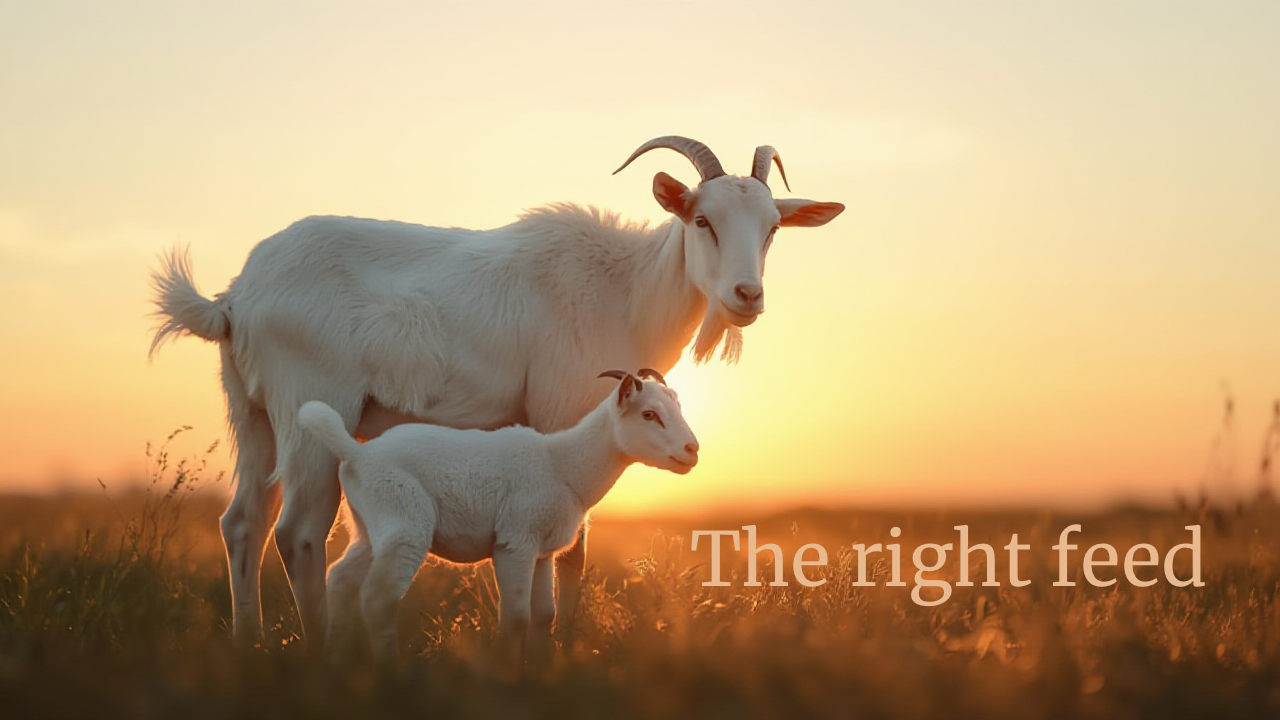
One of the most common mistakes new farmers make is buying goats before preparing their land.
Goats depend entirely on the quality of their environment. Without proper pasture, fencing, and grazing systems, even the healthiest animals will struggle.
Why land matters more than livestock
- Poor pasture leads to weak nutrition
- Overgrazed land increases parasite problems
- Bad soil reduces forage quality
- Weak fencing creates constant stress and escapes
Successful goat farming starts with:
- Healthy pasture management
- Rotational grazing plans
- Secure fencing
- Proper shelter placement
- Reliable water systems
The land supports the goats — not the other way around.
Lack of Daily Systems Causes Farm Collapse
Goat farming requires consistent daily care. Many farms fail because they rely on motivation instead of systems.
Without structured routines, small problems quickly become major issues.
Essential daily systems include:
- Feeding schedules
- Clean water checks
- Fence inspections
- Health observation
- Pasture rotation planning
Missing a single day may not cause immediate damage. But missing days repeatedly creates stress, health problems, and declining farm productivity.
A successful farm runs on systems — not effort alone.
Chasing Profit Too Early Leads to Burnout
Many people enter goat farming expecting quick profits. This mindset often leads to poor decisions and eventual failure.
Goat farming is a long-term process that requires patience, observation, and gradual improvement.
Common profit-driven mistakes
- Buying too many animals too quickly
- Cutting corners on infrastructure
- Ignoring land recovery cycles
- Overworking without automation
- Expecting immediate financial returns
Profit in goat farming comes from efficiency, experience, and strong management — not speed.
Farmers who focus first on building stable systems typically achieve better financial results over time.
Poor Infrastructure Creates Constant Problems
Weak infrastructure increases labor, stress, and expenses.
Many beginner farms underestimate the importance of proper setup.
Critical infrastructure areas
- Durable fencing systems
- Weather-resistant shelters
- Efficient feeding stations
- Clean water access
- Secure handling areas
Investing in infrastructure early reduces long-term costs and prevents avoidable problems.
Good infrastructure allows farmers to manage their operations efficiently while improving animal welfare.
Lack of Observation Skills
Experienced goat farmers spend more time observing than reacting.
New farmers often miss early warning signs of health issues, pasture problems, or behavioral changes.
What successful farmers observe daily
- Eating patterns
- Energy levels
- Body condition
- Grazing behavior
- Pasture recovery
Learning to observe goats closely prevents small issues from becoming major losses.
Overcomplicating the Process
Modern farming culture often promotes complicated solutions, expensive equipment, and complex systems. But successful goat farming is built on simple principles:
- Healthy land
- Consistent routines
- Patient growth
- Sustainable workload
- Long-term thinking
Keeping operations simple improves reliability and reduces stress.
The Reality of Sustainable Goat Farming
Successful goat farms share several characteristics:
They focus on land health
Healthy soil and pasture support strong animals.
They build repeatable systems
Daily routines create stability.
They grow slowly
Expansion happens only after systems work.
They prioritize sustainability
Long-term success matters more than short-term gain.
When these principles are followed, goat farming becomes manageable, productive, and deeply rewarding.
How to Avoid These Common Failures
If you’re starting or improving a goat farm, focus on these priorities:
- Prepare your land before buying animals.
- Build reliable daily systems.
- Invest in strong infrastructure.
- Learn to observe your goats closely.
- Grow slowly and intentionally.
- Focus on long-term sustainability.
These steps create a strong foundation for successful farming.
Final Thoughts: Goats Don’t Fail Farmers — Systems Do
Goats are resilient animals, but they depend on good management. Most failures come from weak planning, poor land preparation, and inconsistent routines.
When you build the right systems, goats thrive. And when goats thrive, farming becomes more predictable, sustainable, and profitable.
Goat farming is not just about raising animals — it’s about building a relationship with the land, developing discipline, and creating systems that work every day.
If you focus on these fundamentals, you can avoid the common pitfalls and build a farm that lasts.
Watch the Full Video
If you want to see these lessons explained on the farm and in real-world conditions, watch the full video:
“Why Most Goat Farms Fail” (https://youtu.be/yx1hukVJoIY?si=t3qj2w6h1N5Ix6w7)