25 Powerful Herbs That Reduce Inflammation Naturally (Backed by Tradition)
Discover 25 herbs that reduce inflammation naturally. Learn traditional healing herbs used for pain, joint inflammation, and whole-body wellness.

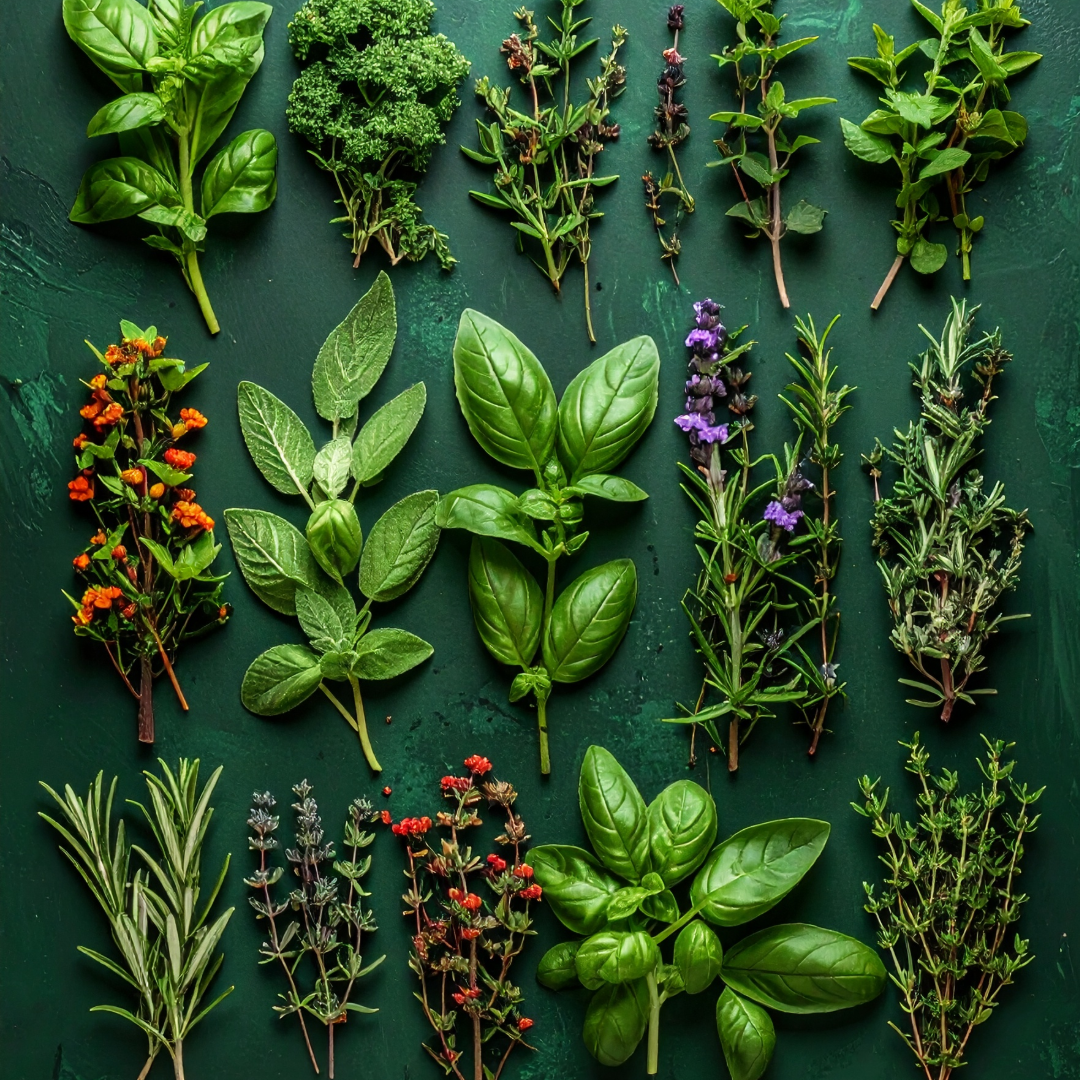
Introduction
Inflammation is the body’s natural response to injury, infection, or irritation. In small amounts, it plays a critical role in healing. But when inflammation becomes chronic, it can contribute to a wide range of health problems including joint pain, fatigue, digestive issues, and long-term diseases such as arthritis and heart disease.
For centuries, people around the world have relied on plants to help calm inflammation and restore balance in the body. Long before modern pharmaceuticals existed, herbal traditions from Africa, Asia, the Caribbean, and Indigenous cultures used plant medicine to reduce swelling, soothe pain, and support healing.
Today, interest in herbal medicine is growing again as more people search for natural ways to care for their bodies. Many herbs contain powerful plant compounds such as antioxidants, polyphenols, and essential oils that help regulate the body’s inflammatory response.
At Naturalknow Farm in Okeechobee County, Florida, we see firsthand how plants support both human health and soil health. Just as medicinal herbs help the body heal, the plants growing on our land help restore nutrients to the soil and create a balanced ecosystem.
In this guide, we’ll explore 25 herbs that reduce inflammation naturally, how they work, and how you can use them as part of a natural wellness lifestyle.
What Is Inflammation and Why It Matters
Inflammation is part of the immune system’s defense mechanism. When the body detects injury, infection, or toxins, it sends immune cells to the affected area. This response causes symptoms such as:
- swelling
- redness
- warmth
- pain
- stiffness
This type of inflammation is called acute inflammation, and it is usually temporary.
However, when inflammation continues for long periods of time, it becomes chronic inflammation, which can contribute to serious health conditions such as:
- arthritis
- heart disease
- diabetes
- digestive disorders
- autoimmune diseases
Lifestyle factors that may contribute to chronic inflammation include:
- poor diet
- stress
- environmental toxins
- lack of exercise
- processed foods
Herbal medicine has long been used to support the body in managing these inflammatory processes naturally.

Benefits of Anti-Inflammatory Herbs
Many medicinal plants contain natural compounds that help regulate the body’s inflammatory response. These herbs often provide multiple health benefits at the same time.
Some of the main benefits include:
Reduced Joint Pain
Certain herbs help ease joint stiffness and swelling, which may benefit people dealing with arthritis or physical strain.
Improved Immune Function
Many anti-inflammatory plants are also herbs that boost the immune system, supporting the body’s natural defenses against illness.
Better Digestive Health
Inflammation in the gut can contribute to bloating and digestive discomfort. Herbal remedies often help calm the digestive tract.
Antioxidant Protection
Herbs are rich in antioxidants that help neutralize harmful free radicals in the body.
Whole-Body Balance
Many medicinal plants are considered alkaline herbs, helping support the body’s natural pH balance and internal harmony.
By incorporating anti-inflammatory herbs into daily life, many people find a more natural approach to supporting long-term wellness.
25 Herbs That Reduce Inflammation Naturally
Below are some of the most well-known herbs used in traditional herbal medicine for reducing inflammation.
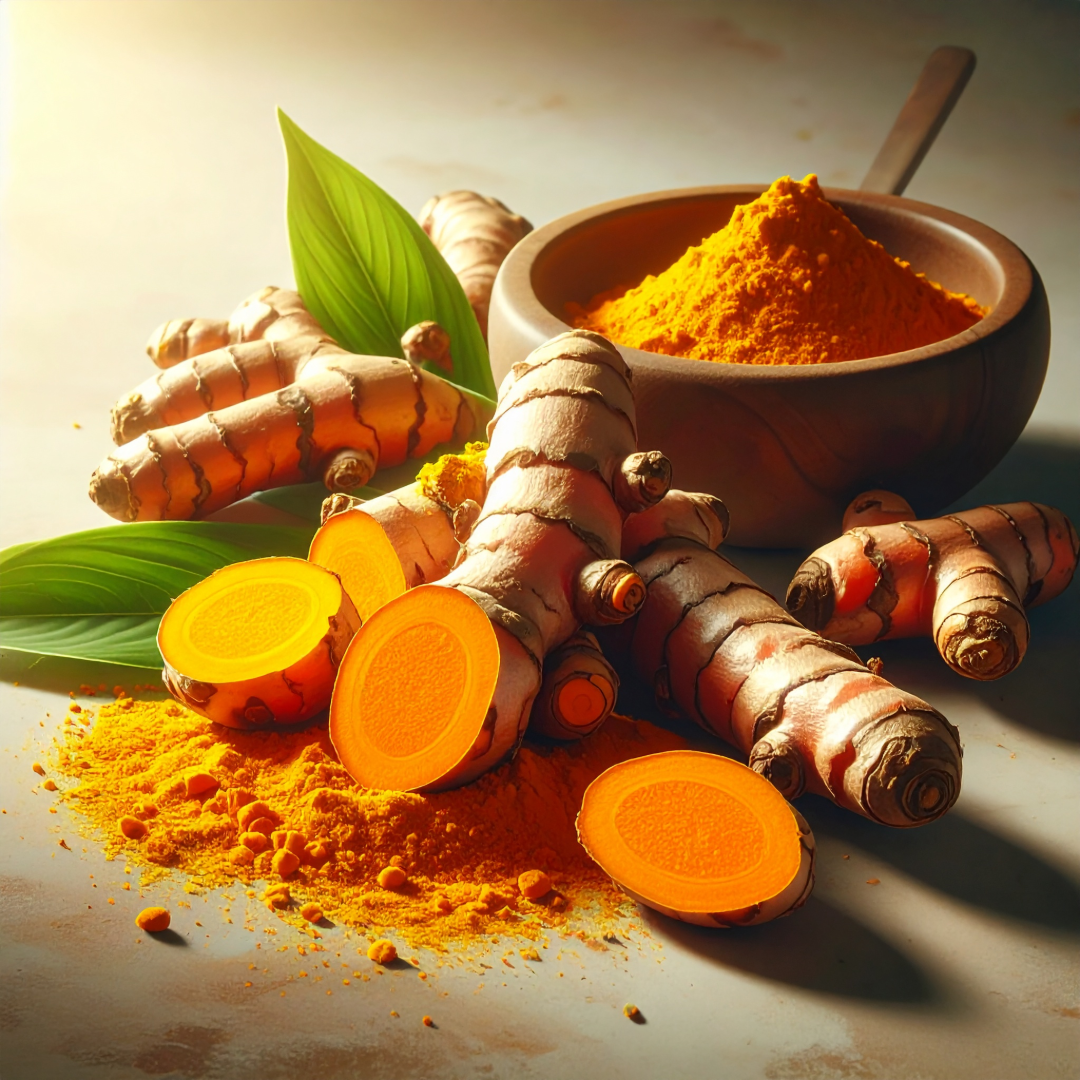
1. Turmeric
Turmeric contains curcumin, a powerful compound known for its strong anti-inflammatory effects. It is widely used in traditional Ayurvedic and Asian medicine.
2. Ginger
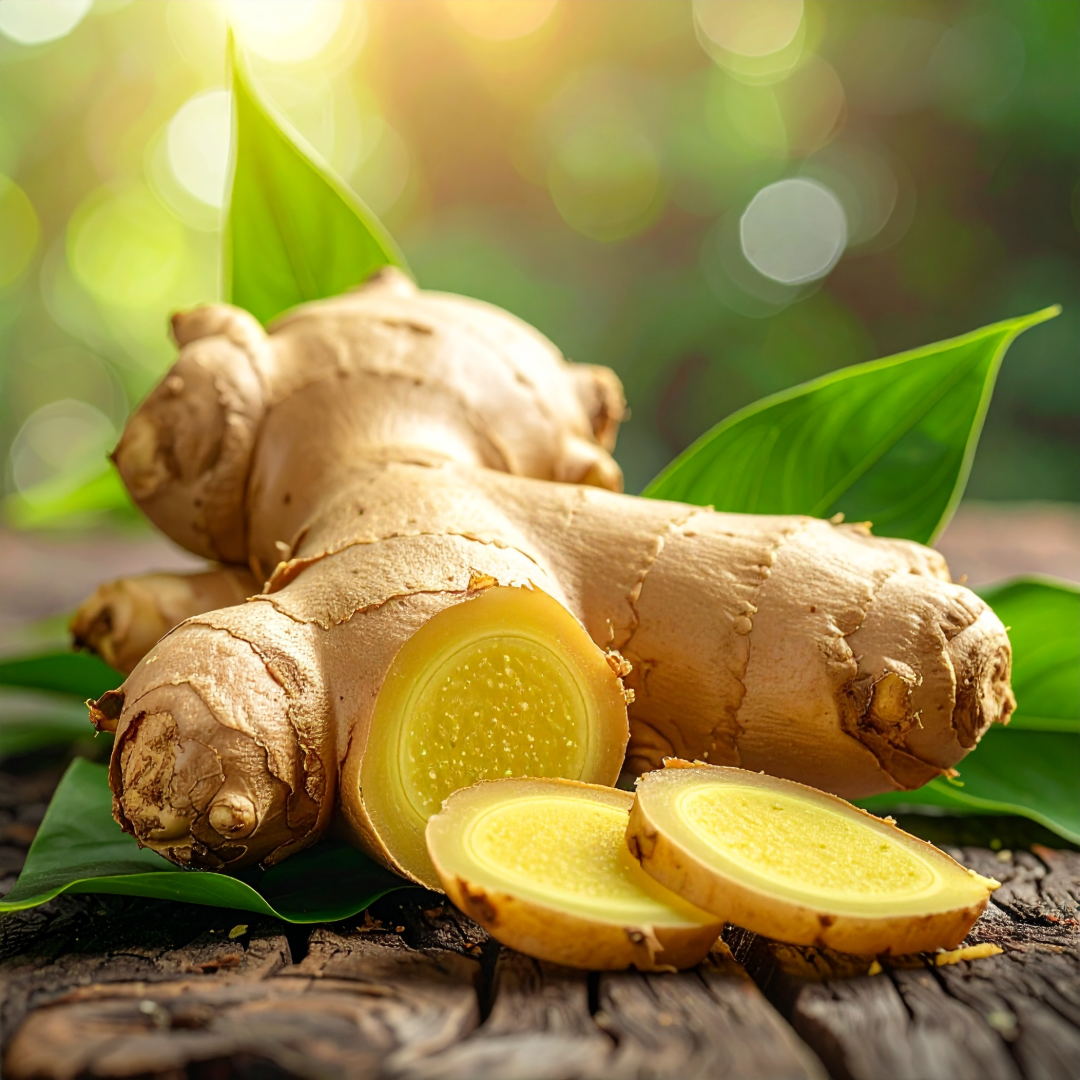
Ginger has been used for thousands of years to reduce inflammation, improve digestion, and support immune health.
3. Holy Basil
Also known as Tulsi, holy basil helps reduce inflammation while supporting the body’s response to stress.
4. Rosemary
Rosemary contains antioxidants and anti-inflammatory compounds that support brain and immune health.
5. Garlic
Garlic contains sulfur compounds that help reduce inflammation and support cardiovascular health.
6. Cinnamon
Cinnamon has been used in traditional medicine to help regulate blood sugar and reduce inflammation.
7. Cloves
Cloves are rich in antioxidants and contain compounds that help relieve pain and inflammation.
8. Boswellia
Also known as frankincense, boswellia has long been used to support joint health and reduce swelling.
9. Moringa

Often called the “miracle tree,” moringa leaves contain powerful antioxidants and anti-inflammatory nutrients.
10. Chamomile
Chamomile is widely known for its calming effects and ability to soothe inflammation in the digestive system.
11. Peppermint
Peppermint helps relax muscles and reduce inflammation in the digestive tract.
12. Oregano
Oregano contains strong antimicrobial and anti-inflammatory compounds.
13. Thyme
Thyme is rich in antioxidants that help protect the body from inflammatory stress.
14. Sage
Sage has long been used in herbal medicine to support cognitive health and reduce inflammation.
15. Dandelion
Dandelion supports liver health and is often included in herbal blends with natural detox herbs.
16. Nettle
Nettle leaf is traditionally used to help reduce joint inflammation and seasonal allergies.
17. Licorice Root
Licorice root contains compounds that help soothe inflammation in the digestive tract.
18. Fennel
Fennel seeds help reduce digestive inflammation and bloating.
19. Ashwagandha
Ashwagandha is an adaptogenic herb that helps the body manage stress and inflammation.
20. Lemongrass
Lemongrass has antimicrobial and anti-inflammatory properties commonly used in herbal teas.
21. Calendula
Calendula is often used topically to soothe skin inflammation.
22. Echinacea
Echinacea supports immune function and may help reduce inflammatory responses.
23. Yarrow
Yarrow has been used historically for wound healing and inflammation.
24. Turmeric Leaf
In addition to turmeric root, the leaves are also used in traditional herbal medicine.
25. Green Tea
Green tea contains powerful antioxidants known as catechins, which help reduce inflammation throughout the body.
How to Use Anti-Inflammatory Herbs
There are many ways to incorporate anti-inflammatory herbs into daily routines.
Herbal Teas
One of the easiest methods is drinking herbal teas made from dried leaves, roots, or flowers.
Popular tea herbs include:
- ginger
- chamomile
- peppermint
- lemongrass
Cooking
Many culinary herbs also have medicinal benefits. Spices like turmeric, garlic, cinnamon, and oregano can easily be added to meals.
Herbal Tinctures
Tinctures are concentrated herbal extracts typically taken in small doses.
Capsules and Powders
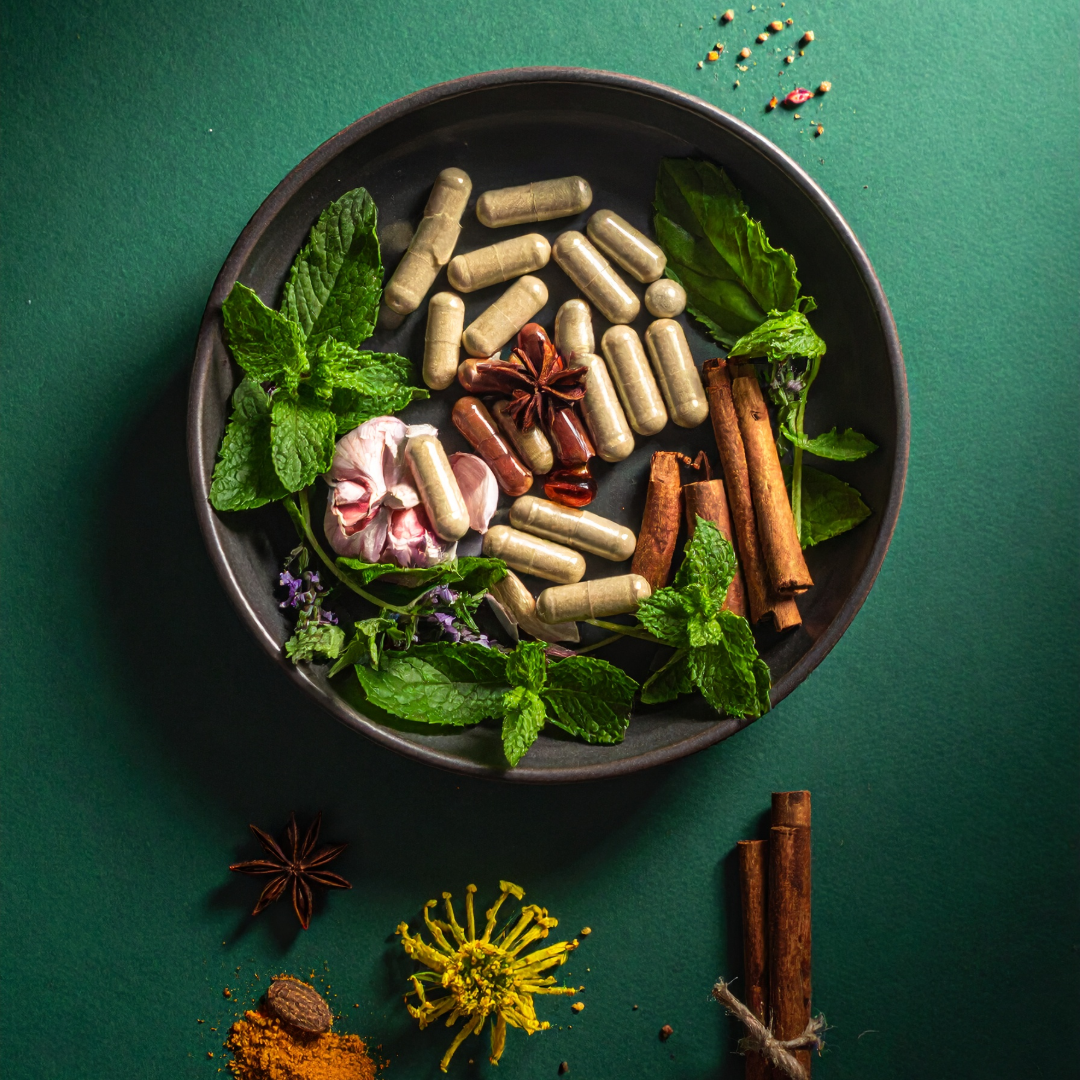
Many herbs are available in capsule or powder form for convenient daily use.
Fresh Herbs
Growing medicinal plants at home allows you to use fresh herbs in cooking or teas.
At Naturalknow Farm, we often incorporate medicinal plants into the landscape alongside vegetables and pasture areas. Growing herbs not only supports health but also attracts pollinators and beneficial insects to the farm ecosystem.
Ancestral and Cultural Herbal Traditions
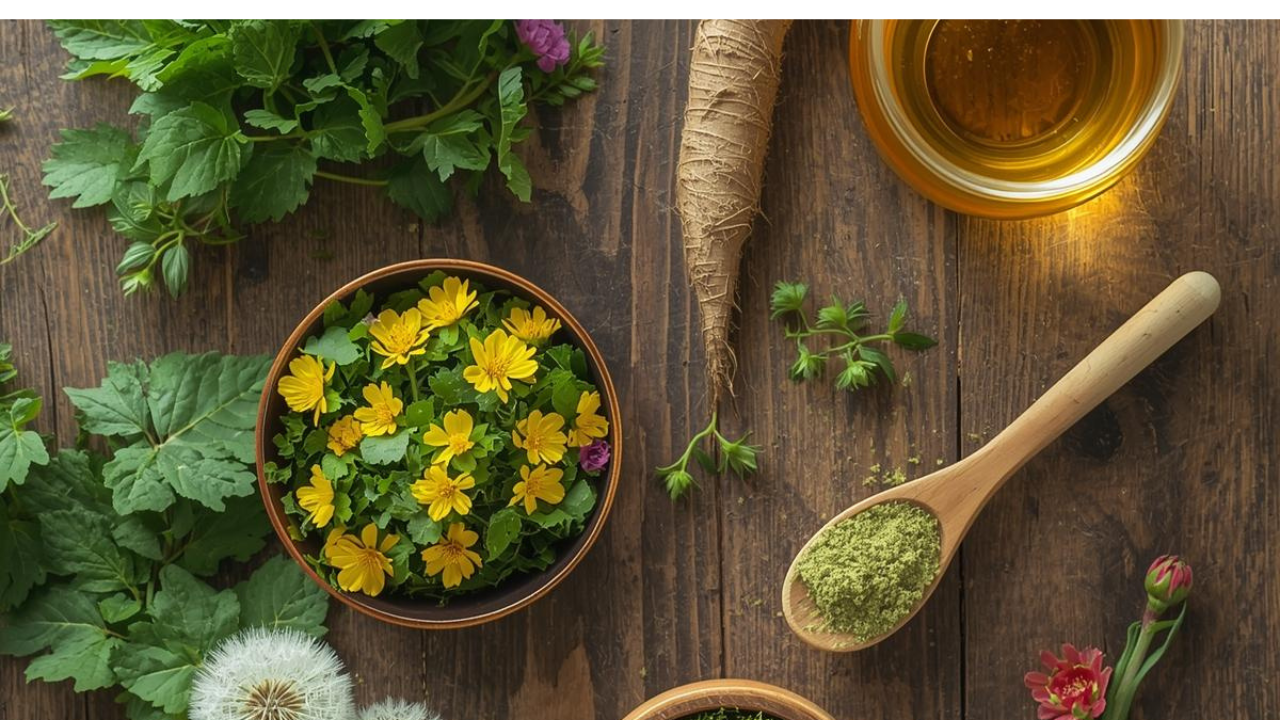
Herbal medicine is deeply rooted in ancestral traditions across the world.
In many African, Caribbean, and Indigenous cultures, herbal knowledge was passed down through generations. Elders and traditional healers understood how plants could be used to treat swelling, pain, infections, and many other conditions.
Many African medicinal herbs were used to restore balance in the body through teas, decoctions, and topical applications.
For example:
- moringa leaves were used as a nutrient-dense healing plant
- ginger and turmeric were used to reduce swelling and support digestion
- bitter herbs were used for cleansing and detoxification
This traditional knowledge formed the foundation of herbal medicine long before modern science began studying plant compounds.
Today, many of these ancient practices are being rediscovered as people seek natural ways to support their health.
Safety Considerations When Using Herbs
While herbs can offer many benefits, it is important to use them responsibly.
Keep these safety tips in mind:
Consult a Healthcare Professional
People with medical conditions or those taking medications should consult a healthcare professional before using herbal remedies.
Start With Small Amounts
Everyone’s body reacts differently to herbs, so it is wise to begin with small amounts.
Use High-Quality Herbs
Choose herbs from reputable sources to ensure purity and potency.
Avoid Overuse
More is not always better. Some herbs should only be taken for limited periods.
Pregnancy and Herbal Use
Certain herbs may not be safe during pregnancy or breastfeeding.
Practicing mindful herbal use helps ensure the safest and most effective results.
Conclusion
Inflammation plays an important role in the body’s healing process, but chronic inflammation can contribute to many health problems. For centuries, herbal traditions around the world have used plant medicine to help calm inflammation and support the body’s natural balance.
From well-known herbs like turmeric and ginger to traditional plants like moringa and nettle, nature offers a wide variety of remedies that may help reduce inflammation naturally.
At Naturalknow Farm, the connection between plants, soil, and human health is something we witness regularly. Just as healthy soil produces strong crops, nourishing the body with natural herbs can support long-term wellness.
Exploring herbal medicine reconnects us with the wisdom of our ancestors—people who understood the healing power of plants long before modern medicine existed.
By learning about herbs that reduce inflammation naturally, we take another step toward living in harmony with nature and caring for our health in a more sustainable way.
FAQs:
What herb is the strongest anti-inflammatory?
Turmeric is widely considered one of the strongest natural anti-inflammatory herbs due to its active compound curcumin.
What herbs reduce inflammation fast?
Ginger, turmeric, boswellia, and holy basil are commonly used for fast inflammation relief.
Can herbs replace anti-inflammatory drugs?
Herbs may support inflammation reduction naturally, but individuals should consult healthcare professionals before replacing medications.