Complete Guide to Alkaline Herbs (Benefits + Best Herbs)
Discover the best alkaline herbs for detox, mineral support, and natural healing. Learn the benefits, top herbs, and how to use them daily.


Introduction
In recent years, the concept of maintaining an alkaline internal environment has gained attention among people seeking natural ways to improve their health. While the human body tightly regulates blood pH, many holistic health practitioners believe that diet and herbs can influence the body’s overall acid load, supporting better energy levels, digestion, and immune function.
Alkaline herbs are plants traditionally used in herbal medicine that contain mineral-rich compounds believed to help neutralize excess acidity in the body. These herbs are often rich in calcium, potassium, magnesium, and chlorophyll — nutrients that help support cellular health and detoxification.
Across many cultures, from African herbal traditions to Indigenous plant medicine and Eastern herbal systems, these plants have long been used to cleanse the blood, strengthen the body, and restore balance.
In this guide, we will explore what alkaline herbs are, how they may benefit your body, and the most powerful herbs you can start using today.
What Are Alkaline Herbs
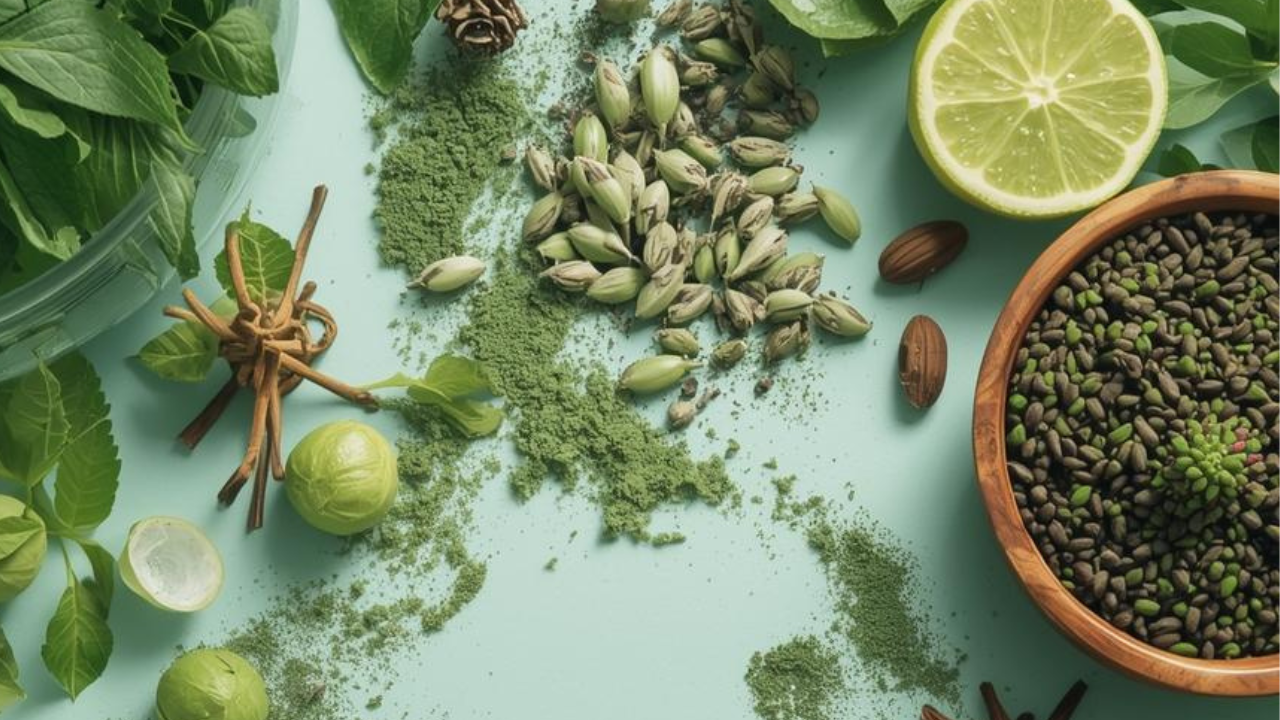
Alkaline herbs are plant-based herbs believed to support the body’s natural pH balance by providing mineral nutrients and reducing the impact of acid-forming foods.
Many modern diets contain high amounts of:
- Processed foods
- Refined sugars
- Dairy
- Red meat
- Chemical additives
These foods may contribute to what holistic practitioners call an acidic dietary load.
While your body maintains blood pH within a very narrow range, eating mineral-rich foods and herbs can help support:
- Kidney function
- Cellular detoxification
- Digestive balance
- Reduced inflammation
Alkaline herbs typically share several characteristics:
• High mineral content
• Chlorophyll-rich leaves
• Bitter compounds that stimulate digestion
• Traditional use in cleansing and tonics
Some herbalists describe alkaline herbs as “nutritive herbs” because they feed the body with minerals while gently supporting detoxification.
These herbs can be consumed as:
- Teas
- Powders
- Capsules
- Fresh plant preparations
- Herbal tonics
Many of them grow naturally in fields, forests, and at my Naturalknow farm — including in regions like Florida and the Caribbean, where traditional herbal knowledge remains strong.
Benefits of Alkaline Herbs
Alkaline herbs provide more than just pH support. Their nutritional density and phytochemicals can offer a wide range of wellness benefits.
1. Mineral Replenishment
Many alkaline herbs contain essential minerals such as:
- Magnesium
- Calcium
- Potassium
- Iron
These minerals are crucial for:
- Nerve function
- Muscle health
- Bone strength
- Energy production
Because modern soils can be depleted of nutrients, herbal tonics can serve as a natural way to restore mineral intake
2. Detoxification Support
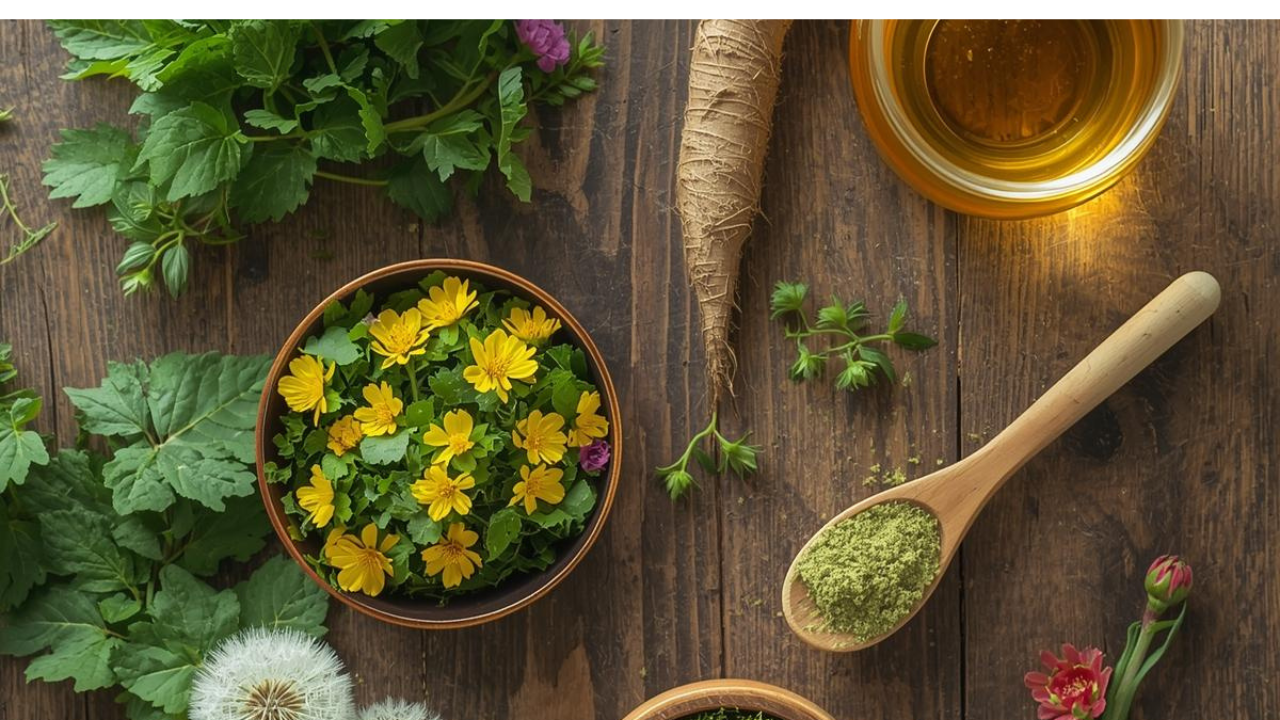
Certain herbs support the body’s natural detox pathways through the liver, kidneys, and lymphatic system.
For example:
- Some herbs increase bile production
- Others support kidney filtration
- Some promote sweating and circulation
This makes alkaline herbs popular in seasonal cleansing protocols.
3. Anti-Inflammatory Properties
Chronic inflammation is linked to many health issues including metabolic disorders, cardiovascular disease, and autoimmune conditions.
Many alkaline herbs contain polyphenols, flavonoids, and antioxidants that help combat oxidative stress.
These compounds may support
- Reduced joint inflammation
- Better immune response
- Cellular protection
4. Improved Digestion
Many alkaline herbs are naturally bitter. Bitter herbs stimulate digestive secretions including:
- Stomach acid
- Bile
- Digestive enzymes
This helps improve:
- Nutrient absorption
- Gut microbiome balance
- Reduced bloating
5. Energy and Vitality
Because these herbs are nutrient-dense and cleansing, many people report improved energy levels when incorporating them regularly.
Instead of stimulants like caffeine, alkaline herbs often provide sustained nourishment for the body.
Top Alkaline Herbs
Below are some of the most respected alkaline herbs used in traditional herbal medicine.
Nettle
Nettle is considered one of the most mineral-rich herbs in nature.
It contains:
- Iron
- Magnesium
- Calcium
- Chlorophyll
Benefits include:
- Blood building
- Energy support
- Reduced inflammation
- Allergy support
Nettle is commonly consumed as a nutritive tea or infusion.
Dandelion
Often seen as a weed, dandelion is actually a powerful medicinal plant.
Both the leaf and root have health benefits.
Dandelion supports:
- Liver detoxification
- Digestion
- Kidney function
- Water balance
The leaves are alkaline and rich in potassium.
Burdock Root
Burdock root is traditionally known as a blood purifier.
It supports:
- Liver detoxification
- Skin health
- Digestive health
- Lymphatic cleansing
Burdock root is frequently used in herbal tonics and detox blends.
Alfalfa
Alfalfa is extremely nutrient dense and contains:
- Vitamins A, C, E, and K
- Calcium
- Magnesium
- Chlorophyll
Because of its mineral density, it is commonly used in alkaline green powders.
Red Clover
Red clover has long been used as a cleansing herb.
It supports:
- Blood purification
- Skin health
- Hormonal balance
- Detoxification
It is commonly consumed as an herbal tea.
Sea Moss
Sea moss, a mineral-rich seaweed, is popular in alkaline diets.
It contains over 90 minerals including:
- Iodine
- Potassium
- Magnesium
- Zinc
Sea moss is commonly blended into smoothies or made into gel.
Yellow Dock
Yellow dock supports the liver and digestive system.
It is often used for:
- Iron support
- Blood building
- Digestive stimulation
It is commonly paired with burdock root in herbal formulas.
How to Use Alkaline Herbs
There are several simple ways to add alkaline herbs into your daily routine.
Herbal Teas
One of the easiest methods is brewing herbal teas.
Example mineral tea blend:
- Nettle leaf
- Red clover
- Alfalfa
- Dandelion leaf
Steep for 15–30 minutes to extract the minerals.
Herbal Infusions
A stronger version of tea, herbal infusions are soaked for several hours or overnight.
Example:
1 ounce of nettle leaf in a quart jar
Fill with boiling water
Steep overnight
Drink throughout the next day.
Smoothies
Many herbs can be added to smoothies in powder form.
Examples include:
- Alfalfa powder
- Sea moss gel
- Spirulina
- Moringa
These create nutrient-dense green smoothies.
Capsules or Powders
Some herbs have strong flavors, so capsules or powders can be easier for daily use.
Popular powdered alkaline herbs include:
- Burdock root powder
- Yellow dock powder
- Alfalfa powder
Fresh Herbs
If you grow herbs on your farm or garden, fresh leaves can be added to meals.
Examples:
- Dandelion greens in salads
- Nettle in soups
- Fresh herbs in green juices
Growing your own herbs ensures maximum nutrient potency.
Cultural and Ancestral Perspective
The use of alkaline herbs is not new. Many cultures have practiced plant-based cleansing and mineral nourishment for centuries.
In African herbal traditions, plants were used not just for healing illness but also for maintaining vitality and balance in the body.
Bitter herbs were especially valued because they stimulated digestion and helped cleanse the blood.
Indigenous cultures in the Americas also relied heavily on wild herbs such as:
- Nettle
- Dandelion
- Burdock
These plants were gathered seasonally and used as tonics after winter when the body needed replenishment.
In Caribbean herbal traditions, bush teas are commonly used to cleanse the body and support internal balance.
Many elders believe that modern health issues are connected to the loss of traditional plant knowledge and nutrient-dense foods.
Today, rediscovering these herbs represents a return to ancestral wisdom and natural living.
For those practicing regenerative farming and sustainable living, growing medicinal herbs is also a way to reconnect with the land and natural cycles.
Safety Considerations
Although alkaline herbs are generally safe, it is important to use them responsibly.
Possible Allergies
Some people may have allergic reactions to certain herbs, especially plants in the daisy family like:
- Dandelion
- Burdock
Start with small amounts to see how your body responds.
Medication Interactions
Certain herbs may interact with medications.
For example:
- Dandelion may affect diuretics
- Burdock may influence blood sugar
Consult a healthcare professional if you are taking medications.
Pregnancy and Nursing
Some herbs should be avoided during pregnancy unless recommended by a qualified herbalist.
Always research herbs before using them during pregnancy or breastfeeding.
Proper Identification
If harvesting wild herbs, make sure you properly identify the plant before consuming it.
Misidentification can be dangerous.
Conclusion
Alkaline herbs offer a powerful way to nourish the body using the wisdom of nature. Rich in minerals, antioxidants, and healing compounds, these plants have been used for generations to support detoxification, digestion, and overall vitality.
By incorporating herbs such as nettle, burdock, red clover, and dandelion into your daily routine, you can provide your body with nutrient-dense plant medicine that supports long-term wellness.
Beyond their health benefits, alkaline herbs also reconnect us with ancestral traditions, natural farming, and sustainable living.
Whether you drink them as teas, blend them into smoothies, or grow them in your garden, these herbs represent a simple but powerful step toward a more natural lifestyle.
As interest in holistic health continues to grow, alkaline herbs remind us that some of the most powerful wellness tools are plants that have been growing around us all along.